
“Leave things better than they were when you found them”.
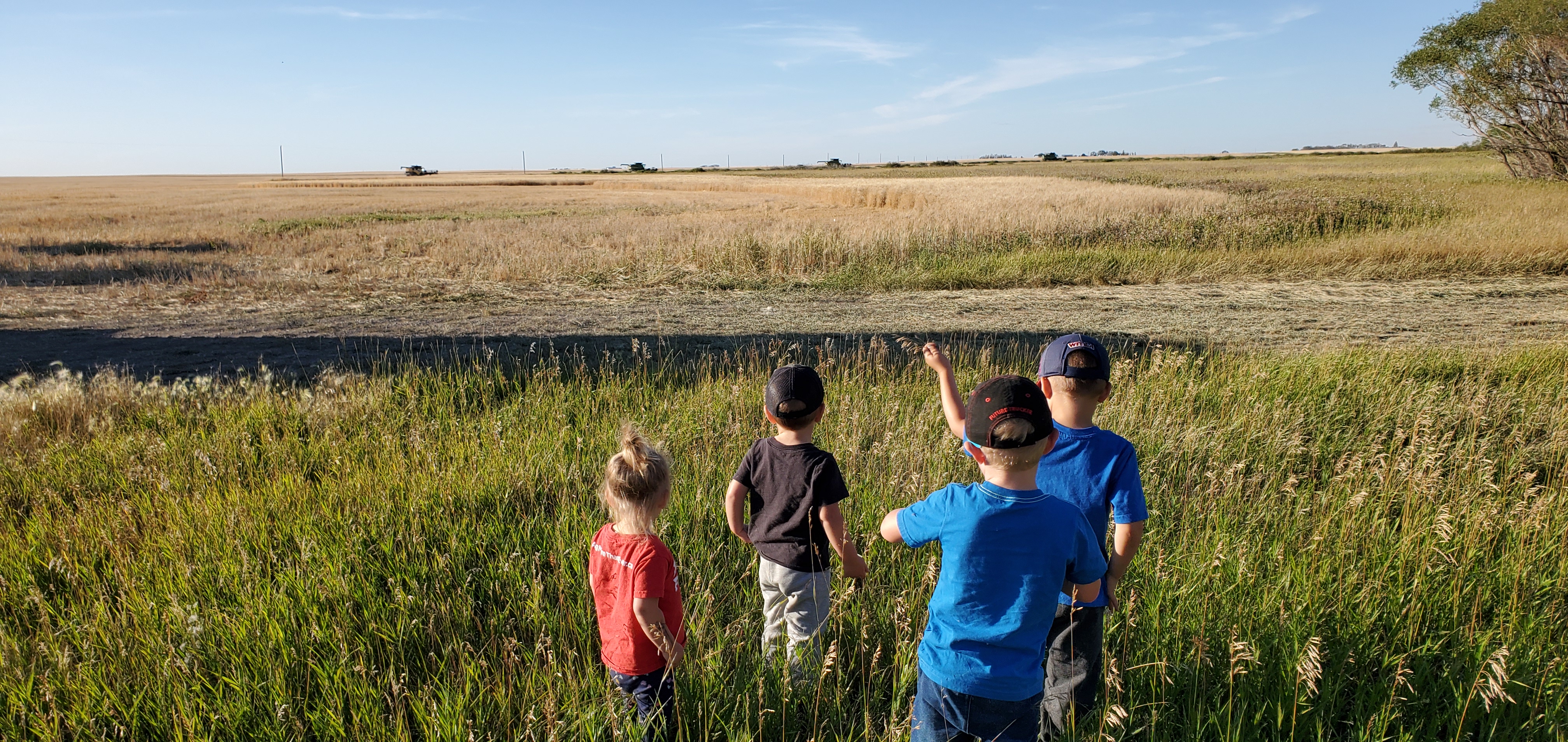
On our farm, growing a better future means many things. It means building a business that will stand the test of time. It means leaving our land, rented or owned, in better condition than it was in when we started farming it.
It means protecting the tools we have today to ensure they are still there in the future.


How do we do this? First of all, we have been no-till farmers for 30 years now, which essentially means we avoid tilling our land as much as possible.
Tillage is destructive to soil structure and microbiological life, which we depend on to profitably grow crops, particularly in our area, where our soil is prone to hardpan and salinity.
Eliminating tillage saved our soils.
We use chemicals and fertilizers where needed to maintain, and improve, our soil health and to ensure the successful growth of our crops. We carefully monitor our fertilizer and chemical operations to ensure the right product is used, at the right place and at the right rate; all while ensuring the application is at the right time. We keep a close eye on which pesticides go on which field to prevent weed, disease or insect resistance. We rotate crops to improve soil health and increase our profitability.
All of these strategies – and others – work together synergistically to improve our land for the long-term, and, in turn, improve our farm’s long-term profitability. Someday, the next generation may want to farm; and if that happens, we will ensure they inherit land they can be proud of.
What Do We Grow?


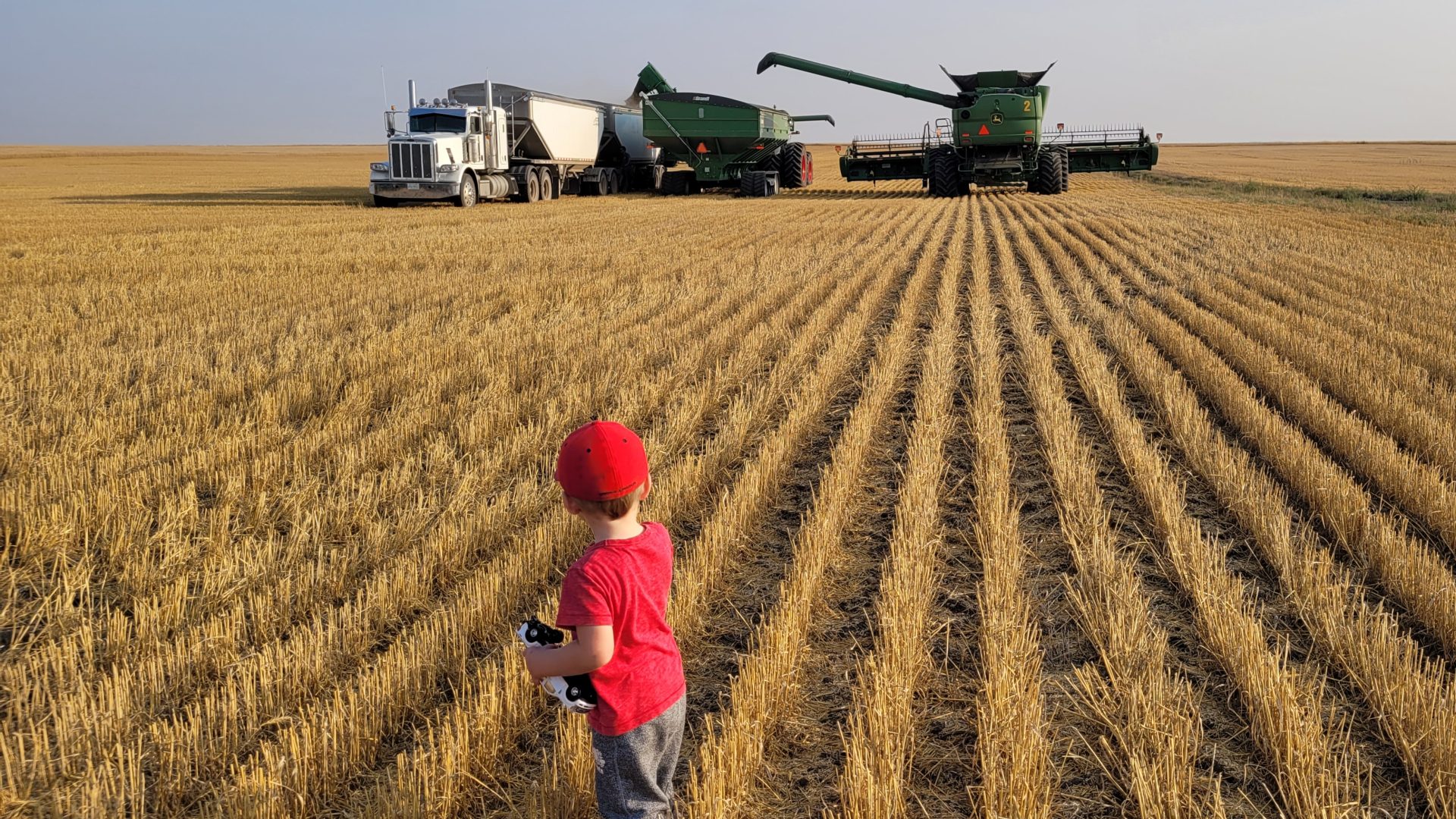
We are a grain, oilseed and special crop farm. We used to grow cattle, but sold out of them many years ago to focus entirely on crop production. Our main crops include durum, canola, spring wheat, large green lentils, and flax, and we do sometimes dabble in other crop options in certain situations.
We are never against trying something new, and have successfully grown many other crops including winter wheat, fall rye, malt barley, green and yellow peas, sunflowers, and canaryseed. We were one of the first farms in our area to try soybeans in 2010.
The advantage of farming where we do is that our climate and soil type support many different crops. While some areas struggle with pulses and other areas struggle with canola, we have found that just about any cool-season crop will grow here. With our avid interest in agronomy, trying new crops is always exciting!
While some farms shy away from the complication of growing multiple crops, we know there are many great things about a diverse crop rotation.
Multiple crops means multiple different root systems. Every crop competes with weeds, diseases, and insects a little bit differently. Soil microorganisms like diversity—and if they’re happy, so are we.
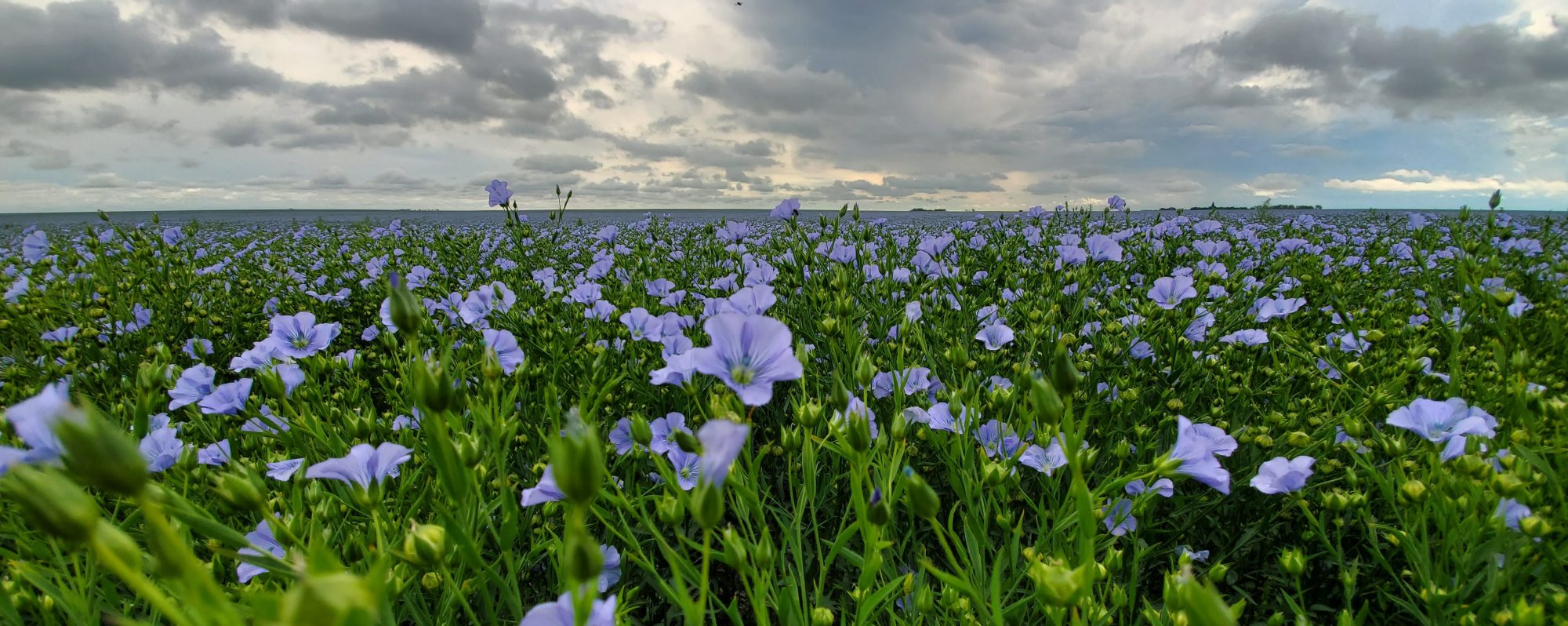
Summers on the Prairies are a beautiful sight, with all the yellows, whites, greens, and blues!